Chiefs Lost in the Line of Duty
A tribute to United States Navy Chief Petty Officers who gave the last full measure of devotion.
2023
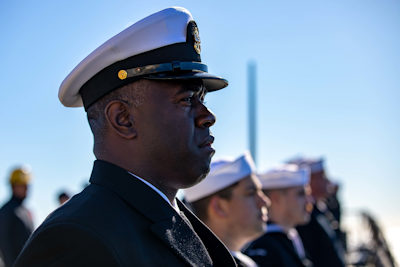
Caprice Pryor Chief Gunner's Mate (GMC) — USS RAMAGE (DDG-61)
Chief Petty Officer Caprice Pryor died on June 8, 2023 from a sudden medical condition while underway aboard USS RAMAGE in the North Sea.
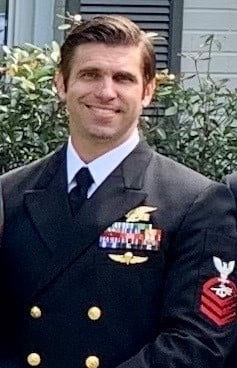
Michael T. Ernst Chief Special Warfare Operator (SOC — SEAL)
Chief Ernst died on February 19, 2023, following a military free fall training accident in Marana, Arizona. He was an active member of a Naval Special Warfare unit.
2019
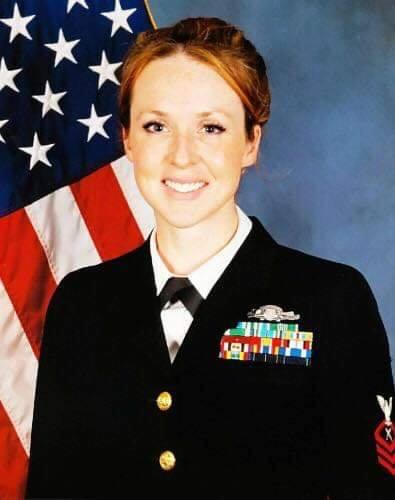
Shannon M. Kent Senior Chief Cryptologic Technician (Interpretive) — CWA 66
Senior Chief Kent was killed on January 16, 2019, in Manbij, Syria, when a suicide bomber struck a restaurant where U.S. forces were eating lunch. She was assigned to Cryptologic Warfare Activity 66 (CWA 66), supporting Combined Joint Task Force – Operation Inherent Resolve.
Shannon Kent was one of the most decorated women in Naval Special Warfare, a linguist who spoke four languages, and a mother of two sons. She was 35 years old. Four Americans died in the attack; the bombing was claimed by ISIS.
2017
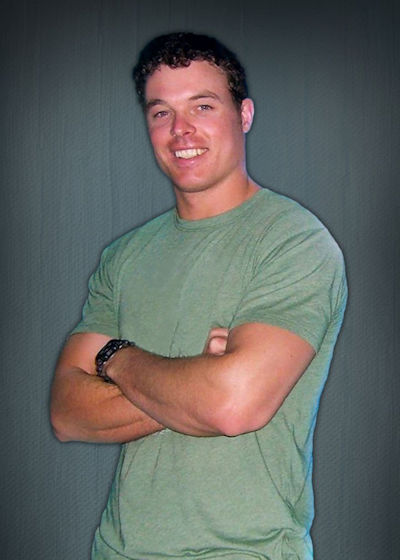
Kyle Milliken Senior Chief Special Warfare Operator (SOCS — SEAL)
Senior Chief Milliken was killed on May 5, 2017, during an operation against the al-Shabaab extremist group approximately 40 miles west of Mogadishu, Somalia. He was assigned to a Naval Special Warfare unit. Two other U.S. service members were wounded in the same engagement. He was 38 years old.
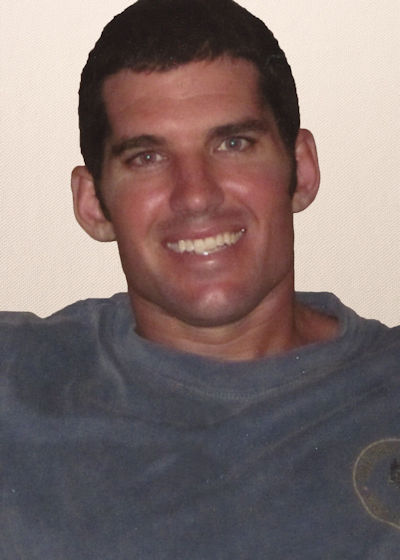
William Ryan Owens Senior Chief Special Warfare Operator (SOCS — SEAL)
Senior Chief Owens died on January 29, 2017, from injuries sustained during a raid on an al-Qaeda compound in Yakla, Yemen — the first U.S. counterterrorism operation authorized by President Trump. He was assigned to a Naval Special Warfare unit and was 36 years old. He was buried at Arlington National Cemetery with full military honors.
2016
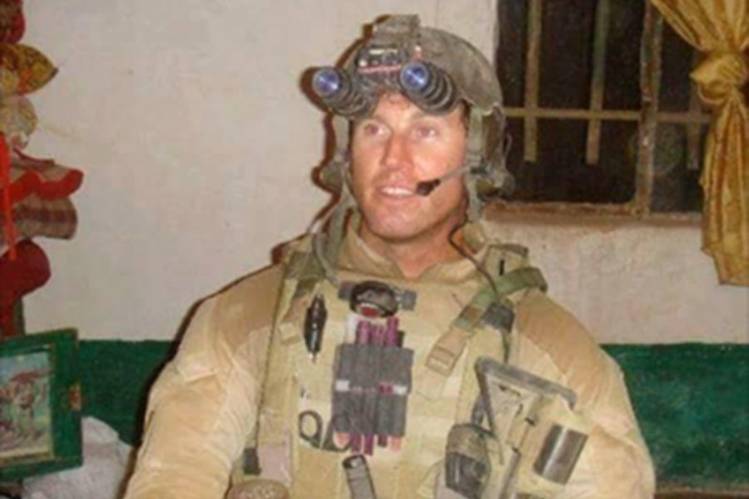
Scott Cooper Dayton Senior Chief Petty Officer — EOD Mobile Unit Two
Senior Chief Dayton died on November 24, 2016, after sustaining injuries in Syria when an improvised explosive device detonated. He was assigned to Explosive Ordnance Disposal Mobile Unit (EODMU) Two and was 42 years old. He was the first U.S. service member killed in Syria by an IED.
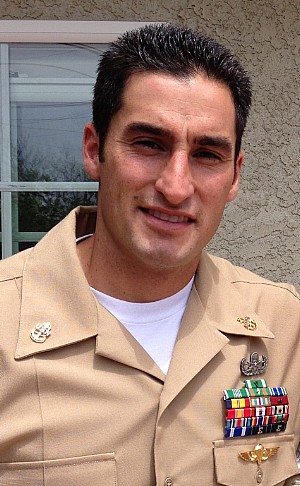
Jason C. Finan Chief Explosive Ordnance Disposal Technician (EODC) — EODMU-3
Chief Finan died on October 20, 2016, after sustaining injuries while deployed to Iraq in support of Operation Inherent Resolve. He was assigned to Explosive Ordnance Disposal Mobile Unit Three (EODMU-3) and was serving in an advisory capacity to Iraqi coalition forces. He was 34 years old.
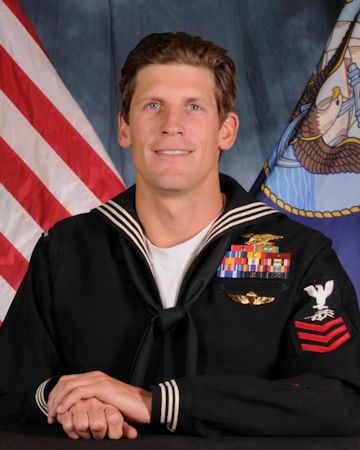
Charlie Keating IV Special Warfare Operator Chief (SOC — SEAL) — Posthumously Advanced
Charlie Keating IV died on May 3, 2016, when he came in contact with ISIS fighters as part of a quick-reaction force backing up American troops who were advising Kurdish fighters in northern Iraq. He was posthumously advanced to Chief Petty Officer. He was 31 years old and the grandson of convicted savings-and-loan executive Charles Keating Jr., whose criminal past stood in contrast to his grandson's distinguished service.
2015
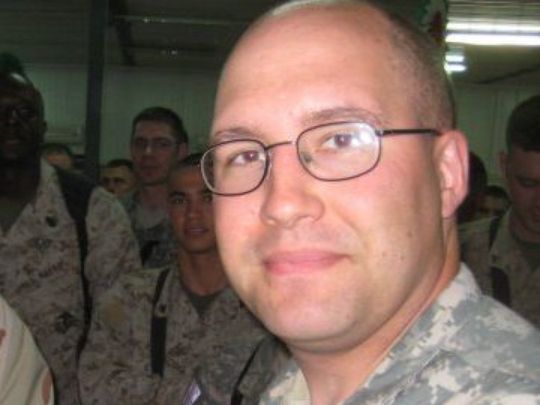
Anthony Tuff Engineman Chief (ENC SW/AW/EXW) — Posthumously Advanced — USS Gerald R. Ford (CVN-78)
Anthony Tuff collapsed and died during a mandatory CPO selectee training run on September 15, 2015. He was immediately and posthumously advanced to Chief Petty Officer at a ceremony the following morning. He was assigned to Pre-Commissioning Unit Gerald R. Ford (CVN-78) and had been selected for promotion to Chief in the FY-2016 cycle. He was 35 years old.
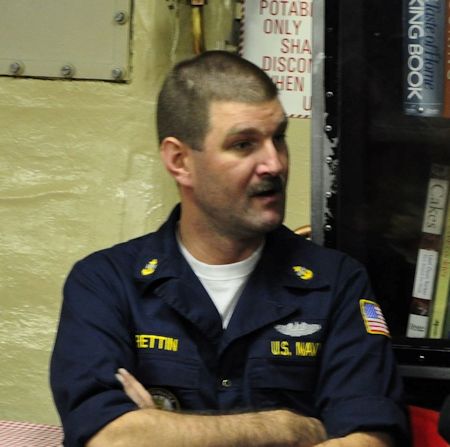
Jason Brettin Senior Chief Machinist's Mate (MMCS) — USS Alabama (SSBN-731)
Senior Chief Brettin died on April 29, 2015, from a heart attack while aboard the ballistic missile submarine USS Alabama (SSBN-731). He was 41 years old. USS Alabama is a Gold crew submarine homeported at Naval Base Kitsap, Bangor, Washington.
2014
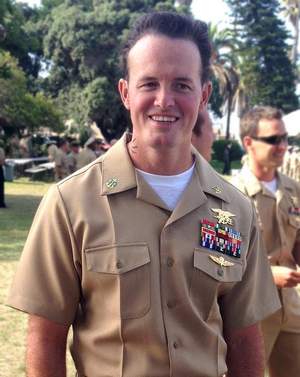
Bradley Cavner Special Warfare Operator Chief (SOC — SEAL) — NSWG-1, Coronado
Chief Cavner died on June 24, 2014, from injuries suffered during parachute training near El Centro, California. He was assigned to Naval Special Warfare Group One at Naval Amphibious Base Coronado. He was 33 years old.
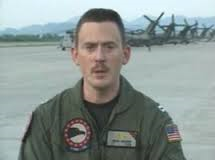
Sean Snyder Lieutenant / Chief Electronics Technician (SW) — Limited Duty Officer
Lieutenant Snyder, a former Chief Electronics Technician who received a commission as a Limited Duty Officer, was killed on January 8, 2014, when his MH-53E Sea Dragon helicopter crashed in the Atlantic Ocean approximately 18 miles off the coast of Virginia Beach, Virginia. He was 39 years old. Three other crew members survived the crash. Lieutenant Snyder had distinguished himself both as an enlisted Chief and as a naval aviator.
2013
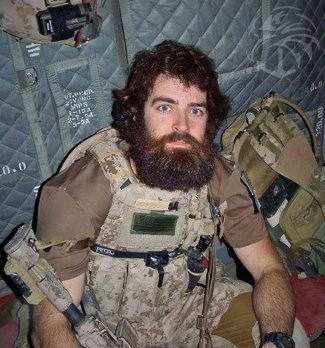
Brett D. Shadle Chief Special Warfare Operator (SOC — SEAL)
Chief Shadle was killed on March 28, 2013, during a training exercise. He was assigned to a Naval Special Warfare unit. He was 32 years old.
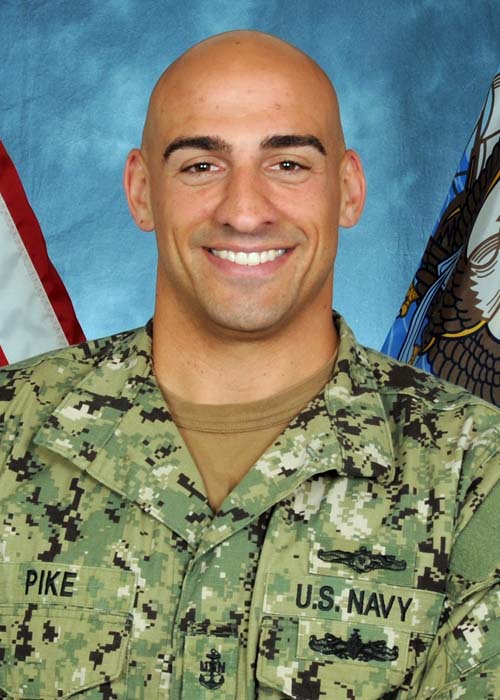
Christian Michael Pike Chief Cryptologic Technician (IDW/SW) — Naval Special Warfare Support Activity 1
Chief Pike, 31, of Peoria, Arizona, was wounded on March 10, 2013, while conducting stability operations in the Maiwand District of Kandahar Province, Afghanistan. He died of his wounds on March 13. He was assigned to Naval Special Warfare Support Activity 1.
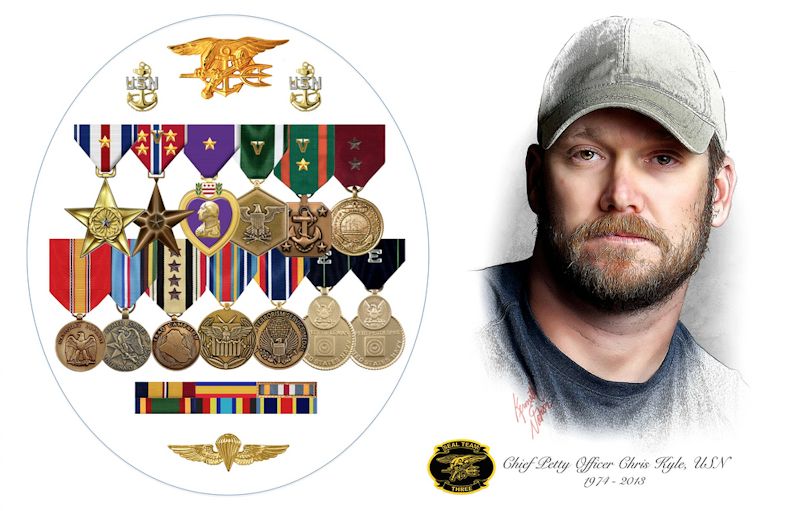
Christopher Scott Kyle Special Warfare Operator Chief (SOC — SEAL) — Honorably Discharged 2009
Chief Kyle was the most lethal sniper in U.S. military history, with 160 kills confirmed by the Department of Defense across four combat tours in Iraq. He was awarded two Silver Star Medals, five Bronze Star Medals with Combat "V," one Navy and Marine Corps Commendation Medal, two Navy and Marine Corps Achievement Medals, and numerous other awards. He was known as "Legend" by the troops he protected.
After his honorable discharge in 2009, Kyle wrote the bestselling autobiography American Sniper, later adapted into a major motion picture directed by Clint Eastwood. On February 2, 2013, Kyle was shot and killed at a shooting range near Chalk Mountain, Texas, along with his friend Chad Littlefield. Eddie Ray Routh was convicted of both murders and sentenced to life in prison without parole.
Kyle is buried at the Texas State Cemetery in Austin. He was 38 years old.
2012
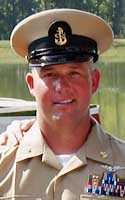
Sean Sullivan Senior Chief Aviation Warfare Systems Operator (AWCS)
Senior Chief Sullivan died on July 19, 2012, when his helicopter crashed during a heavy lift operation in Oman, supporting Operation Enduring Freedom. He was assigned to a Navy aviation unit operating in the region.
2011
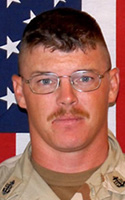
Raymond J. Border Chief Builder (BUC / SCW) — NMCB 74, Gulfport, Miss.
Chief Border died on October 19, 2011, while assessing a route in Paktika Province, Afghanistan. He was assigned to Navy Mobile Construction Battalion 74, based in Gulfport, Mississippi. The Seabees of NMCB 74 were conducting route-assessment and construction-support operations in support of ISAF when Chief Border was killed.
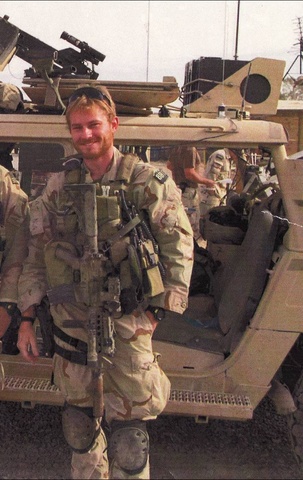
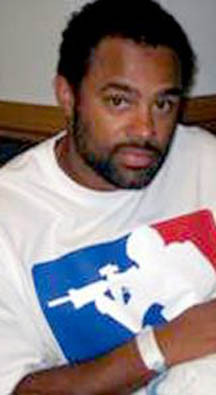
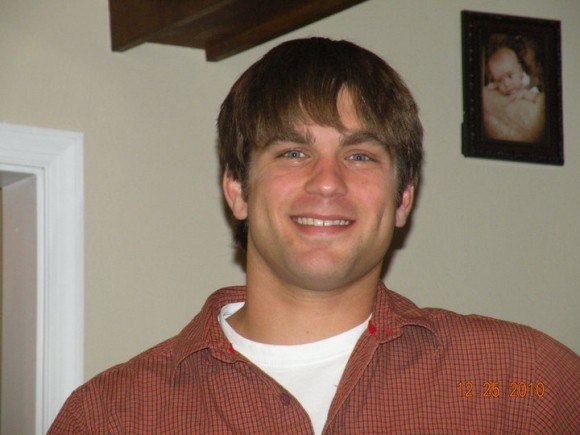
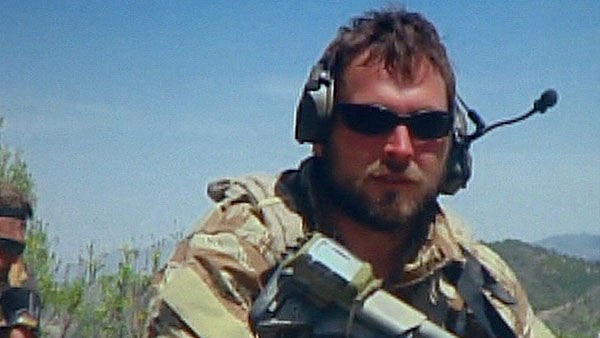
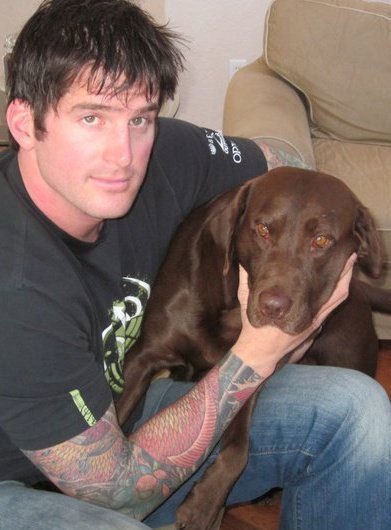
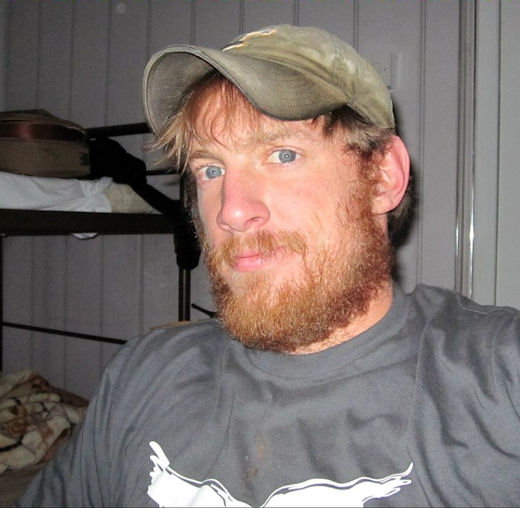
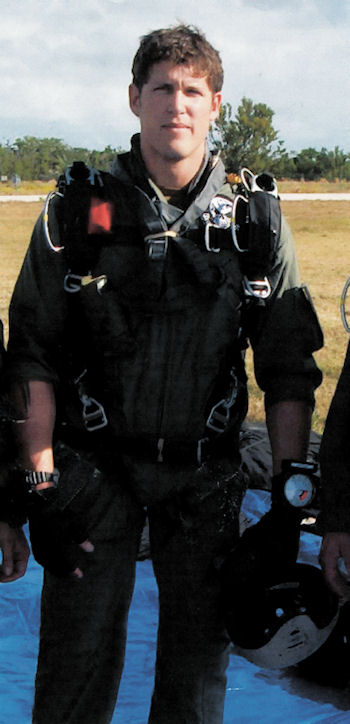
Extortion 17 — 14 Chief Petty Officer-Grade Naval Special Warfare Personnel
2010
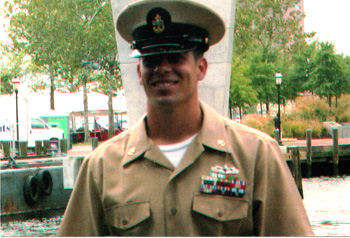
David Blake McLendon Senior Chief Cryptologic Technician (Collection) — NSW Support Activity 2, JEB Little Creek
Senior Chief McLendon, 30, of Thomasville, Georgia, was killed on September 21, 2010, when a U.S. Army UH-60 Black Hawk helicopter crashed in Zabul Province, southern Afghanistan. He was one of nine service members killed in the accident. He had served 12 years in the Navy, entering in 1998, and was promoted to Senior Chief in 2009.
McLendon was a graduate of Thomas County Central High School and had served at Pearl Harbor and Norfolk before his final assignment supporting Naval Special Warfare operations. He was remembered as “a gentle giant who always fought for what was right.” He was survived by his wife in Virginia Beach, his parents in Thomasville, and his brother and sister in Macon, Georgia.
Bronze Star, Joint Service Commendation Medal, Navy and Marine Corps Commendation Medal, Navy and Marine Corps Achievement Medal, Good Conduct Medal (3 awards)
Collin Thomas Special Warfare Operator Chief (SOC — SEAL)
Chief Thomas died on August 18, 2010, while on combat operations in Afghanistan. He was assigned to an East Coast-based Naval Special Warfare unit. He was 33 years old and had served 13 years in the Navy, completing multiple combat deployments to Iraq and Afghanistan.
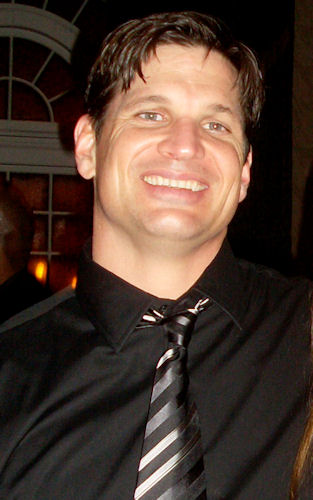
Adam Lee Brown Special Warfare Operator Chief (SOC — SEAL) — NSWG-2
Chief Brown was killed on March 17–18, 2010, during a battle with heavily armed militants in Kunar Province, Afghanistan. He was assigned to Naval Special Warfare Group Two.
Adam Brown’s life was a story of extraordinary redemption. He struggled with drug addiction and a criminal past before finding his way to the Navy and earning his Trident. Despite losing sight in his right eye and use of several fingers in combat, he refused to give up his career in the teams. He taught himself to shoot with his non-dominant hand and returned to combat. His story was told in Eric Blehm’s bestselling book Fearless: The Undaunted Courage and Ultimate Sacrifice of Navy SEAL Team SIX Operator Adam Brown (2012). He was 36 years old and survived by his wife Kelley and two children.
Silver Star (posthumous), Bronze Star with Combat “V”, Purple Heart, and others
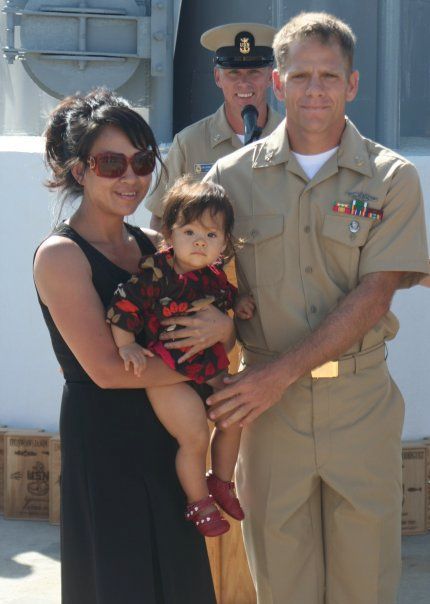
John Conyers Chief Electrician's Mate (SS/DV) — USS Ronald Reagan (CVN-76)
Chief Conyers was killed in a tragic electrical accident on February 19, 2010, aboard the aircraft carrier USS Ronald Reagan (CVN-76). He was an 11-year Navy veteran. The incident occurred during routine maintenance operations in the ship's engineering spaces. He was survived by his wife and family.
2009
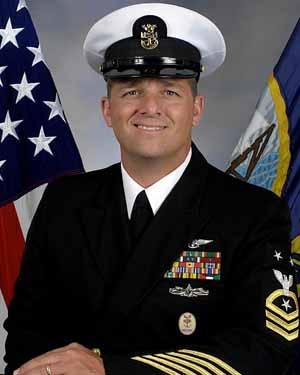
Jeffrey J. Garber Command Master Chief (CMDCM) — Carrier Air Wing Seven (CVW-7), USS Dwight D. Eisenhower (CVN-69)
Command Master Chief Garber, 43, died on June 20, 2009, from natural causes while aboard the deployed aircraft carrier USS Dwight D. Eisenhower (CVN-69). He was found unresponsive and was pronounced dead that morning. CVW-7 was deployed in the North Arabian Sea at the time.
CMDCM Garber had 24 years of Navy service, entering in 1983. He had served aboard multiple commands including USS Worden, USS Nimitz, USS Portland, and with VFA-34. Nearly 1,000 sailors attended his memorial service in the ship’s hangar bay. The CMDCM Garber Memorial Award was established in his honor by Carrier Air Wing Seven. He was survived by his wife Amy.
Legion of Merit (posthumous), Navy and Marine Corps Commendation Medal, Navy and Marine Corps Achievement Medal
Eric F. Shellenberger Special Warfare Operator Chief (SOC — SEAL) — SDVT-1, Pearl Harbor
Chief Shellenberger died on May 7, 2009, during a training exercise in waters off Bremerton, Washington. He was assigned to SEAL Delivery Vehicle Team One’s submersible unit at Pearl Harbor, Hawaii. SDVT-1 operates miniature submarines to covertly deliver SEALs in hostile maritime environments. He was 36 years old.
2008
Wayne Marcum Senior Chief Special Warfare Operator (SOCS — SEAL) — NSWG-6, Dam Neck
Senior Chief Marcum died on September 12, 2008, from injuries suffered during fierce combat against insurgents in Afghanistan. He was assigned to Naval Special Warfare Group Six, based at Dam Neck Annex, Virginia Beach. He was 36 years old.
Jason Richard Freiwald Special Warfare Operator Chief (SOC Select — SEAL) — NSWG-6, Dam Neck
Chief Freiwald (select) died the same day as Senior Chief Marcum, September 12, 2008, from injuries suffered in the same engagement in Afghanistan. He was a CPO selectee — a First Class Petty Officer who had been selected for Chief — assigned to Naval Special Warfare Group Six. He was 30 years old.
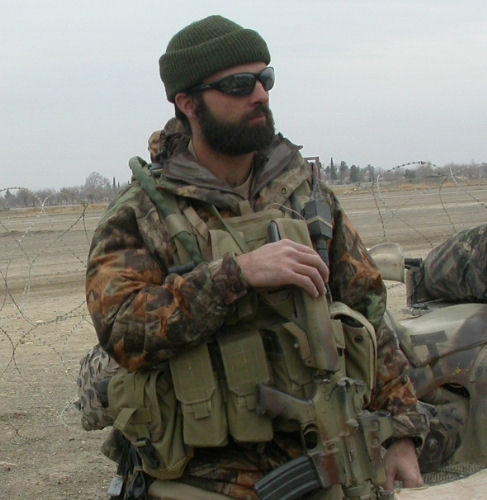
Lance M. Vaccaro Special Warfare Operator Chief (SOC — SEAL) — NSWG-2, NAB Little Creek
Chief Vaccaro died on March 6, 2008, from injuries suffered during parachute training near Marana, Arizona. He was assigned to Naval Special Warfare Group Two at Naval Amphibious Base Little Creek, Virginia. He was 33 years old.
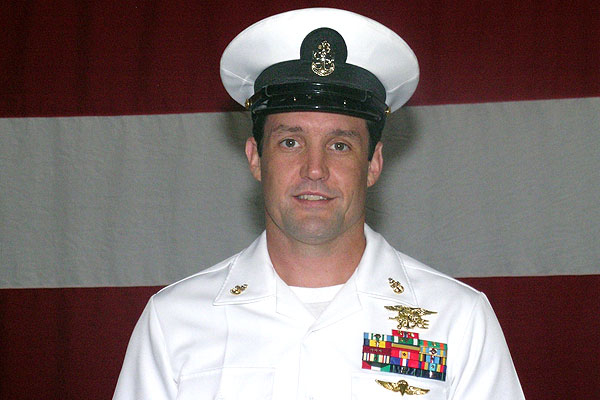
Thomas J. Valentine Senior Chief Special Warfare Operator (SOCS — SEAL) — NSWG-2, NAB Little Creek
Senior Chief Valentine died on February 13, 2008, from injuries suffered during parachute training in Casa Grande, Arizona. He was assigned to Naval Special Warfare Group Two. He was 37 years old.
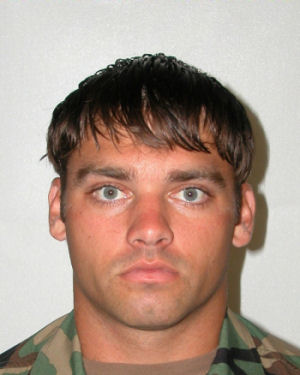
Michael E. Koch Special Warfare Operator Chief (SOC — SEAL) — NSWG-2, NAB Little Creek
Chief Koch died on February 4, 2008, as a result of enemy action while conducting combat operations in Iraq in support of Operation Iraqi Freedom. He was assigned to Naval Special Warfare Group Two. He was 33 years old.
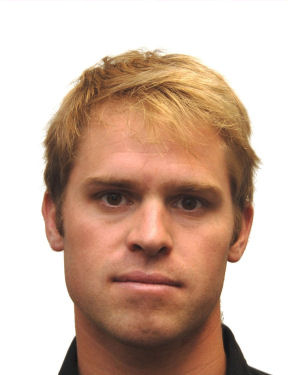
Nathan Hardy Special Warfare Operator Chief (SOC — SEAL) — NSWG-2, NAB Little Creek
Chief Hardy died on February 4, 2008, during the same mission as Chief Koch, as a result of enemy action in Iraq. He was assigned to Naval Special Warfare Group Two. He was 29 years old and was survived by his wife, who was pregnant with their first child at the time of his death.
2007
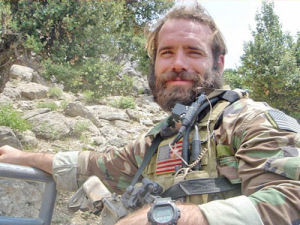
Mark T. Carter Special Warfare Operator Chief (SOC — SEAL) — NSWG-2, NAB Little Creek
Chief Carter died on December 11, 2007, as a result of enemy action while conducting combat operations in Iraq in support of Operation Iraqi Freedom. He was assigned to Naval Special Warfare Group Two. He was 27 years old. Chief Carter’s actions on the day he was killed were those of a warrior who shielded his teammates. He received several awards for valor during his service.
Bronze Star with Combat “V” (two awards), and others
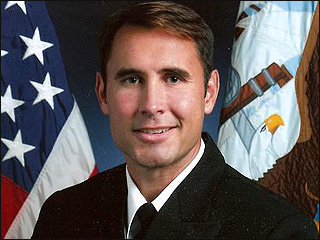
Patrick L. Wade Chief Explosive Ordnance Disposal Technician (EODC/SW) — EODU-11, Whidbey Island
Chief Wade died on July 17, 2007, while conducting combat operations in Salah Ad Din Province, Iraq, in support of Operation Iraqi Freedom. He was assigned to Explosive Ordnance Disposal Unit Eleven at Naval Air Station Whidbey Island, Washington. He was 30 years old.
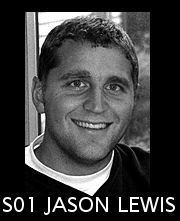
Jason Dale Lewis Honorary Chief Special Warfare Operator (SOC) — Presented Posthumously
Jason Lewis was killed by an improvised explosive device while conducting combat operations in Southern Baghdad on July 6, 2007. On September 9, 2008, MCPON Joe Campa signed the order designating him an Honorary Chief Petty Officer with Full Honors. The presentation was made to his family on September 16, 2008, at the pinning ceremony for NSWG2 and NSWG4 FY-09 CPO Selectees.
Delfin P. Dulay Chief Machinist's Mate (SW/AW) (MMC) — USS Frank Cable (AS-40)
Chief Dulay died on April 30, 2007, from injuries sustained when a major steam line rupture occurred aboard USS Frank Cable (AS-40) on December 1, 2006. He fought for nearly five months before succumbing to his injuries. USS Frank Cable is a submarine tender homeported at Apra Harbor, Guam. Chief Dulay’s death was a reminder that hazardous duty is not limited to the battlefield.
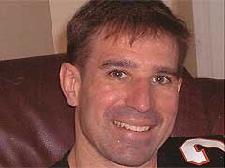
Gregory J. Billiter Chief Explosive Ordnance Disposal Technician (EODC/EWS) — EODU-11, Whidbey Island
Chief Billiter died on April 6, 2007, from enemy action while conducting combat operations near Kirkuk, Iraq, in support of Operation Iraqi Freedom. He was assigned to Explosive Ordnance Disposal Unit Eleven at Naval Air Station Whidbey Island, Washington. He was 35 years old.
2006
Thomas K. Higgins Senior Chief Electronics Technician (ETCS) — USS Minneapolis-St. Paul (SSN-708)
Senior Chief Higgins, 45, of Paducah, Kentucky, died on December 29, 2006, after falling overboard while USS Minneapolis-St. Paul (SSN-708) was departing Devonport Naval Base in Plymouth, England. Despite immediate search efforts, he could not be recovered. USS Minneapolis-St. Paul was a Los Angeles-class attack submarine completing a port call in the United Kingdom.
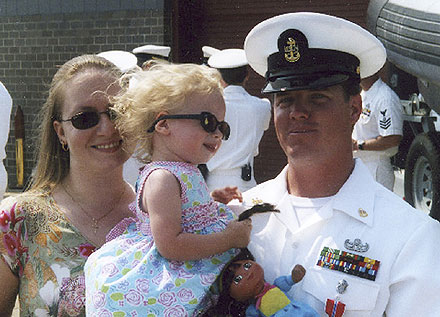
Paul J. Darga Chief Explosive Ordnance Disposal Technician (EODC) — Al Anbar Province, Iraq
Chief Darga, 34, of Lansing, Michigan, died on August 22, 2006, when his EOD team’s vehicle was struck by an improvised explosive device while responding to a previous IED strike in Al Anbar Province, Iraq. The tactic of attacking first responders was a hallmark of insurgent operations in Al Anbar at the height of the conflict. Chief Darga and his team were conducting combat operations against enemy forces at the time.
2005
Operation Red Wings — MH-47 Chinook Extortion 16
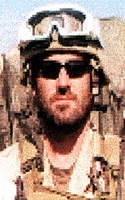
Daniel R. Healy Senior Chief Petty Officer (SEAL) — SDVT-1, Pearl Harbor, Hawaii
Senior Chief Healy, 36, of Exeter, New Hampshire, was killed aboard the MH-47 on June 28, 2005. He was assigned to SEAL Delivery Vehicle Team One at Pearl Harbor. He had served in the SEAL teams for nearly a decade and was known for his calm leadership under pressure. He was survived by his wife and seven children.
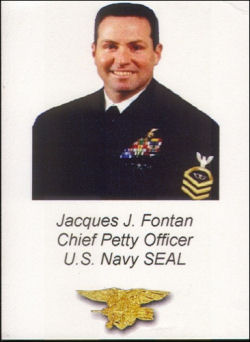
Jacques J. Fontan Chief Petty Officer (SEAL) — SEAL Team Ten
Chief Fontan, 36, of New Orleans, Louisiana, was also killed aboard the same Chinook. A 16-year Navy veteran and 7-year SEAL, he was born and raised in New Orleans and attended St. Andrew the Apostle grammar school, Brother Martin High School, and Southeastern Louisiana University before joining the Navy. He was assigned to SEAL Team Ten.
He is survived by his wife Charissa; his daughter Jourdan; his mother Hazel Rue; his father Earl Fontan; his stepfather Donald Rue; his sisters Suzanne Fontan Gonczy and Cheri Fontan Skop; his brother Jean Paul Fontan; and his grandmother Marguerite Helburn Delchamps.
2004
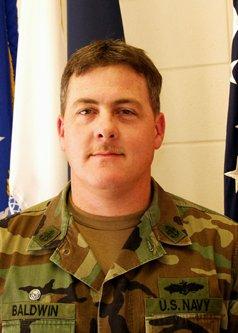
Joel E. Baldwin Builder Chief (BUC) — NMCB-7
Builder Chief Joel E. Baldwin, 37, died on December 21, 2004, in a suicide bombing at a military dining facility in Mosul, Iraq. He was a member of Naval Mobile Construction Battalion 7 — the Seabees — and a 15-year Navy veteran. At the time of the attack, Chief Baldwin was surveying a construction site in the military camp. The bombing, which killed 22 people including Baldwin, was carried out by a suicide bomber who had infiltrated the facility.
2002
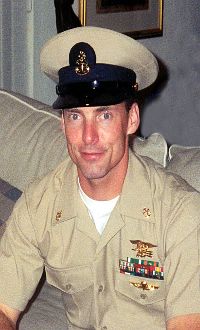
Matthew J. Bourgeois Chief Hospital Corpsman (SEAL) (HMC) — Tallahassee, FL
Chief Hospital Corpsman Matthew J. Bourgeois, 35, of Tallahassee, Florida, was killed on March 27, 2002 (confirmed March 28 in some official records), while conducting small unit training at a remote location near Kandahar, Afghanistan. He was assigned to a Naval Special Warfare unit in Norfolk, Virginia, and was deployed to Afghanistan in support of Operation Enduring Freedom.
Chief Bourgeois was killed when he apparently stepped on an enemy-emplaced anti-personnel mine during a training exercise. As a SEAL-qualified hospital corpsman, he was one of the most highly trained combat medics in the U.S. military. He was the first Naval Special Warfare Service member killed in Afghanistan. He was survived by his family in Florida.
2001
Pentagon — Three Chiefs Lost in the September 11 Attacks
Donald McArthur Young Chief Information Systems Technician (ITCS) — Office of the Chief of Naval Operations
Chief Young, 41, of Roanoke, Virginia, was serving at the Office of the Chief of Naval Operations in Washington, D.C. He had enlisted at Richmond, Virginia, on December 2, 1980, and been promoted to Chief on August 16, 1997. Over 20 years of service, he served aboard USS Illusive (MSO-448), USS McCandless (FF-1084), USS John F. Kennedy (CV-67), USS Briscoe (DD-977), and USS Bataan (LHD-5), among others.
Navy and Marine Corps Commendation Medal, Navy and Marine Corps Achievement Medal (3), National Defense Service Medal, Southwest Asia Service Medal, Sea Service Deployment Ribbon, Navy Unit Commendation, Good Conduct Medal (2), Coast Guard Meritorious Unit Commendation (2), Meritorious Unit Commendation
Gregg Harold Smallwood Chief Information Systems Technician (ITCS) — Office of the Chief of Naval Operations
Chief Smallwood, 44, of Overland Park, Kansas, had enlisted at Pittsburgh, Pennsylvania, on June 9, 1976, and been promoted to Chief on November 16, 1999. His career included service at Naval Air Station Kingsville, Navy Communications Area Master Station WESTPAC Guam, Naval Computer Telecommunications Station San Diego, Naval Air Station North Island, Naval Computer Telecommunications Station Diego Garcia, and at sea aboard USS Henry B. Wilson (DDG-7), USS Reasoner (FF-1063), and USS Harry W. Hill (DD-986). He had taken a break in service from 1981 to 1988 before returning to finish his career.
Navy and Marine Corps Achievement Medal (3), Navy Unit Commendation, Meritorious Unit Commendation, Armed Forces Expeditionary Medal (3), Sea Service Deployment Ribbon (2), Good Conduct Medal (3), Kuwait Liberation Medal, National Defense Service Medal, Southwest Asia Service Medal
Marvin Roger Woods (USN, Retired) RMC (Retired) — Civilian Communications Director, Patuxent River Naval Air Station
Marvin Woods, the son of a sailor, enlisted in the Navy in high school and went on to serve 23 years as a Radioman Chief. When he retired from the Navy in 1984, he took a six-week vacation — then reported back to his office at Patuxent River Naval Air Station, Maryland, and continued his career as director of communications, but as a civilian. “His job was his life,” his son James said. “I remember when he retired from the Navy, he cried.” His wife recalled: “My husband was proud of the 40 years he gave to his country.” He was at the Pentagon when Flight 77 struck.

Ron Hiland Chief Aviation Machinist's Mate (ADC) — HSL-49, USS THACH (FFG-43)
On March 19, 2001, Chief Ron Hiland, Air Detachment Chief from Helicopter Anti-Submarine Light Squadron 49 “Scorpions,” gave the ultimate sacrifice during emergency Flight Quarters aboard USS THACH (FFG-43). His concern for the aircrew outweighed his own safety. He was well-liked by his men and respected by all.
Chief Hiland served at RTC Orlando, ‘A’ and NDI School Millington, VF-51 and VAW-110 NAS Miramar, HC-11 and HSL-49 NAS North Island. His favorite saying was “Expedite this mission.”
Navy Achievement Medal (6), Navy Meritorious Unit Commendation, Navy “E” Ribbon, Good Conduct Medal (3), Armed Forces Expeditionary Medal (2)
2000
USS Cole (DDG-67) — Two Chief Petty Officers Among the Fallen

Richard D. Costelow Chief Electronics Technician (ETC) — USS Cole (DDG-67)
Chief Costelow, 35, of Morrisville, Pennsylvania, had been promoted to Chief Petty Officer just 26 days before his death — one of the shortest tenures in the Chief’s mess. He was in the Chiefs’ quarters at the time of the blast. Shipmates attempted resuscitation but he succumbed to his injuries.
He had enlisted on April 11, 1988, in Philadelphia, and served at NAS Sigonella, Italy, and at the White House Communications Agency in Washington, D.C. — where he helped modernize White House communications systems and was described as a “technology wizard.” He is survived by his wife Sharla.
Purple Heart (posthumous), Combat Action Ribbon, Defense Meritorious Service Medal, Presidential Service Badge

Andrew Triplett Ensign (formerly Engineman Chief) — Limited Duty Officer — USS Cole (DDG-67)
Andrew Triplett, 31, of Macon, Mississippi, was a prior-enlisted Engineman Chief who received a commission as an Ensign through the Limited Duty Officer program on April 1, 1999. As a newly commissioned LDO, he was serving as the ship’s Main Propulsion Assistant — a billet his background as an Engineman Chief made him uniquely qualified to fill. He had enlisted from Macon in June 1987 and served 13 years.
Ensign Triplett was posthumously promoted to Lieutenant Junior Grade. He is survived by his parents, Ree and Savannah Triplett, of Macon, Mississippi.
Purple Heart (posthumous), Combat Action Ribbon, Navy and Marine Corps Achievement Medal (3), Good Conduct Medal (2)
1997
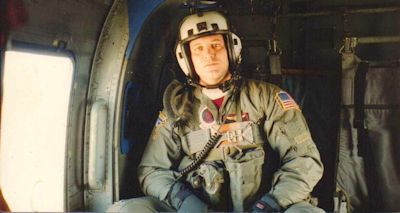
Andrew “Andy” Kenneth Baker Aviation Warfare Systems Operator Chief (AWC) — HS-3 “Tridents,” embarked USS Taylor (FFG-50)
Chief Baker, 36, of Weirton, West Virginia, died on March 13, 1997, in a helicopter crash while assigned to Helicopter Anti-Submarine Squadron HS-3 “Tridents,” embarked aboard USS Taylor (FFG-50). He had served approximately 16 years in naval aviation, conducting airborne anti-submarine operations from multiple carriers including USS Carl Vinson, USS Nimitz, USS John F. Kennedy, and USS Independence.
Navy Commendation Medal, Navy Achievement Medal, Good Conduct Medal (4 awards)
1990 — Operation Desert Shield
Jeffrey W. Shukers Fire Control Technician Chief (FCC) — USS Saratoga (CV-60)
Chief Shukers, 28, of Union, Iowa, was one of 21 sailors killed when an Israeli charter ferry called Ein Tuvia capsized in Haifa harbor late on the night of December 21, 1990. The double-decked vessel was ferrying 102 USS Saratoga sailors ashore during a port call when it sank in approximately 20 seconds — barely 200 yards from the carrier — in 65 feet of choppy water. No survivors were recovered from the lower deck.
The Saratoga disaster was the deadliest single non-combat event of Operation Desert Shield, killing 21 American sailors on the eve of the war. Chief Shukers was one of the most senior enlisted personnel aboard the ferry at the time.
1989
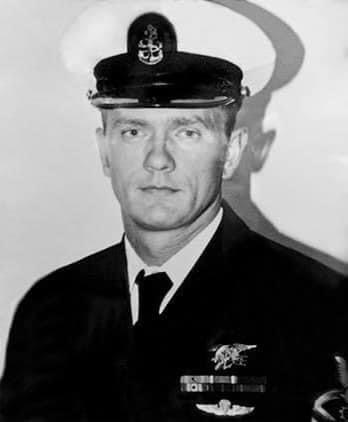
Donald Lewis McFaul Chief Engineman (SEAL) (ENC) — SEAL Team 4, Golf Platoon
Chief McFaul, 32, born in Orange County, California, and raised in Bend, Oregon, was killed at the Battle of Paitilla Airport during Operation Just Cause, the U.S. invasion of Panama. His unit — SEAL Team 4, Golf Platoon — was tasked with disabling Manuel Noriega’s private Learjet to prevent his escape. When Panamanian Defense Forces opened fire, Chief McFaul left his covered position under heavy fire to assist wounded teammates. He was mortally wounded while carrying a seriously injured man to safety. Three other SEALs were killed in the same engagement.
His daughter Megan was born approximately six days after his funeral. He is remembered as a selfless leader who chose his teammates over his own life. The Arleigh Burke-class destroyer USS McFaul (DDG-74), commissioned in 1998, was named in his honor.
Navy Cross (posthumous), Purple Heart, Navy Achievement Medal, Combat Action Ribbon
Reginald Owen “Ziggy” Ziegler Gunner's Mate Senior Chief (SW) (GMCS) — Turret 2, USS Iowa (BB-61)
Senior Chief Ziegler was the Turret 2 gun chief aboard the battleship USS Iowa (BB-61) when a catastrophic explosion killed all 47 men inside Turret 2 during gunnery exercises (FLEETEX 3-89) off the island of Vieques, Puerto Rico. Approximately 550 pounds of gunpowder detonated before the center gun’s breech was fully closed. His voice was captured on the turret’s communication circuit in the moments before the explosion: “Oh, my God! The powder is smoldering!”
Before the deployment, Senior Chief Ziegler had told his wife: “We’re shorthanded. Chiefs with seventeen years of service are quitting… My butt is on the line!” His pre-deployment safety concerns, documented in his own words, lend painful context to the disaster. The Navy’s initial investigation controversially blamed a subordinate for a deliberate explosion; a subsequent General Accounting Office and Sandia National Laboratories review found the probable cause to be a mechanical or operational accident.
1987
Three Senior Chiefs Lost Aboard USS Stark
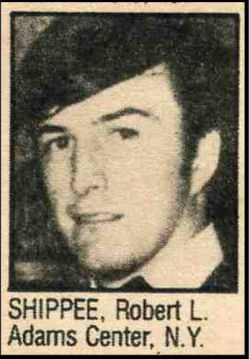
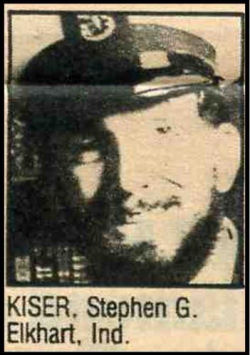
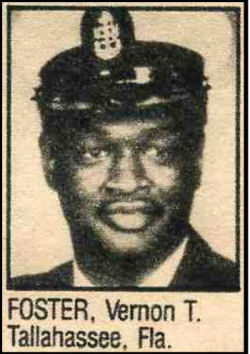
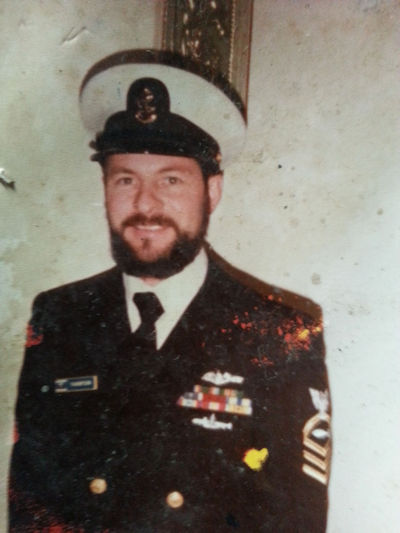
Larry V. Thompson Torpedoman's Mate Chief (SS) (TMC) — USS Ulysses S. Grant (SSBN-631)
Chief Thompson was swept off the missile deck in heavy seas while aboard the ballistic missile submarine USS Ulysses S. Grant (SSBN-631) on April 6, 1987. Despite immediate search efforts, he was not recovered. Serving in the most remote patrol environment in the Navy — at sea aboard a nuclear submarine — he gave his life in the service of his country far from any shore.
1983
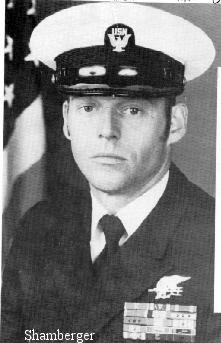
Robert R. Schamberger Senior Chief Engineman (SEAL) (ENCS) — SEAL Team Six
Senior Chief Schamberger was killed on October 23, 1983 — the night of the SEAL water insertion during Operation Urgent Fury, the American liberation of Grenada. Four SEALs were lost when their rubber boats were swamped in high seas during the pre-dawn insertion; Senior Chief Schamberger was one of the four. The combat swimmers were never recovered. The date of October 23 corresponds to the actual night of the SEAL insertion; U.S. ground forces landed on October 25.
Two Chiefs Lost in the Beirut Barracks Bombing
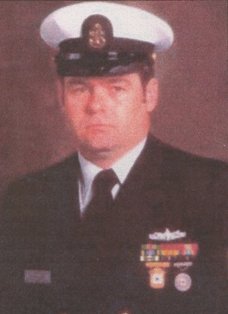
Michael W. Gorchinski Chief Electronics Technician (ETC) — Evansville, Indiana
Chief Gorchinski of Evansville, Indiana, was one of the 241 Americans killed in the Beirut barracks bombing on October 23, 1983. He was serving with the U.S. contingent of the Multi-National Force in Lebanon (MNF-L) when the terrorist attack occurred.
George W. Piercy Chief Hospital Corpsman (HMC) — Mt. Savage, Maryland
Chief Piercy of Mt. Savage, Maryland, also perished in the Beirut barracks bombing on October 23, 1983. As a senior corpsman assigned to the MNF-L, he was serving in a critical medical support role for the U.S. presence in Lebanon.
1982
Gilbert Alejandro Chavarria Aviation Machinist's Mate Chief (AMHC) — USS Coral Sea (CV-43)
Chief Chavarria, 42, died in a non-hostile flight deck accident aboard USS Coral Sea (CV-43) while operating in the Sea of Japan on February 9, 1982. The flight deck of an aircraft carrier is one of the most dangerous workplaces in the world. Chief Chavarria served with dedication in the demanding environment of naval aviation until the day he was lost.
1970
Thomas E. Kruck Chief Boatswain's Mate (BMC) — Navy Radio Transmitter Facility, Capas, Tarlac Province
Chief Kruck died on active duty on October 20, 1970, of gunshot wounds at the Navy Radio Transmitter Facility at Capas, Tarlac Province, Philippines. He was attending a meeting on base with local mayors, Philippine Constabulary officers, and the base Officer in Charge when the meeting was attacked and overrun by armed New People’s Army (NPA/Huk) insurgents. Chief Kruck died in service to his country in a non-combat zone, a reminder that the dangers of military service extend well beyond active battlefields.
1969 — Vietnam
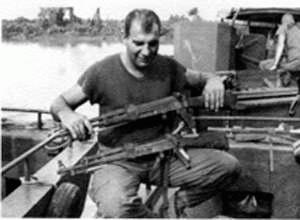
Jack Edward Luntsford Chief Machinist's Mate (SS) (MMC) — PBR River Patrol
Chief Luntsford, 32, of Kingsport, Tennessee, was killed on July 1, 1969, when his patrol boat struck or was struck by an explosive device near Phu Yen Province, South Vietnam. He was submarine-qualified, having served aboard USS Alexander Hamilton (SSBN), and had been reassigned to PBR (Patrol Boat, River) duty as part of the Navy’s brown-water riverine warfare effort. His name is recorded on the Vietnam Veterans Memorial Wall, Panel 21W, Line 043.
Gerri Angelly Unverified Chief Hospital Corpsman (HMC) — 1st Marine Air Wing, RVN
Chief Angelly was reportedly killed in action in South Vietnam in April 1969, when his medevac helicopter was shot down while assigned to the 1st Marine Air Wing. This entry has been maintained as originally submitted to this site; his name could not be independently confirmed on the Vietnam Veterans Memorial Wall under any spelling variant. Records submissions are welcome.
Two Chiefs Killed in Action on the Dong Tien Canal
Quincy Truett Chief Boatswain's Mate (BMC)
Chief Truett was killed in action on the Dong Tien Canal on January 20, 1969. His actions that day were recognized with the Navy Cross, the Navy’s second highest award for valor in combat. In his memory, the Navy named the destroyer escort USS Truett (FF-1095), commissioned in 1973 and serving until 1995.
Willie Thompson Chief Quartermaster (QMC)
Chief Thompson was killed alongside Chief Truett in action on the Dong Tien Canal on January 20, 1969. His actions were recognized with the Silver Star, the third highest military decoration for valor in combat.
1968
USS Scorpion (SSN-589) — On Eternal Patrol
1967 — Vietnam
Dewey L. Alexander Master Chief Yeoman / LTJG (Limited Duty Officer) — USS Oriskany (CVA-34)
YNCM/LTJG Alexander was lost in the devastating fire that swept through USS Oriskany (CVA-34) on October 26, 1966, off the coast of Vietnam on Yankee Station. The fire, sparked by improper handling of a magnesium flare, killed 44 men. Alexander was a “mustang” officer — a Master Chief Yeoman who had earned a commission as a Limited Duty Officer. He was from Houston, Texas, and was survived by his wife and five children in San Diego.
USS Forrestal Fire — Two Chiefs Lost
Gerald W. Farrier Aviation Boatswain's Mate Chief (Handling) (ABHC)
Chief Farrier was a flight deck crew supervisor on USS Forrestal when the fire broke out. He was attempting to remove a burning bomb from an aircraft with a fire extinguisher when the bomb detonated, killing him instantly. His selfless action in trying to prevent the explosion from killing others earned him lasting recognition as “a Hero of the Forrestal.” He is memorialized aboard the Forrestal-class carriers and at Navy aviation training commands.
Richard L. Owens Aviation Machinist's Mate Chief (AMHC) — VA-46 “Clansmen”
Chief Owens was assigned to Attack Squadron VA-46 aboard USS Forrestal when the fire swept the flight deck and hangar bay on July 29, 1967. He was killed in the disaster that claimed 134 American lives. Chief Owens is buried at Arlington National Cemetery, Section 46. His name is sometimes incorrectly listed as “Robert L. Owens” — his correct first name is Richard.
Howard Bannister Chief Boatswain's Mate (BMC)
Chief Bannister was killed in action in South Vietnam on July 11, 1967. He is honored here as a Navy Chief who gave his life during the Vietnam War.
USS Liberty — Two Chiefs Lost
Melvin Douglas Smith Chief Cryptologic Technician (CTC) — USS Liberty (AGTR-5)
Chief Smith of Alamance, North Carolina, was a Cryptologic Technician killed during the attack on USS Liberty. His wife Judith and three sons survived him. He had enrolled in the Navy in April 1956. In October 1967, a building at Corry Station in Pensacola, Florida — the Navy’s signals intelligence school — was dedicated as Smith Hall in his memory.
Raymond Eugene Linn Chief Cryptologic Technician (CTC) — USS Liberty (AGTR-5)
Chief Linn of Zanesville, Ohio, was also a Cryptologic Technician killed in the attack. He had planned to retire from the Navy in July 1967 — just weeks after the attack — with plans to purchase a Dairy Queen franchise. A barracks and an operations center at the Naval Security Group Activity in Sugar Grove, West Virginia were named Linn Barracks in his honor.
1963
USS Thresher (SSN-593) — On Eternal Patrol
Entries on this page reflect research conducted by Goatlocker.org and information contributed by shipmates and family members over more than three decades. Corrections and additions are welcomed. To submit an entry, contact the webmaster.